Custom‑gift hampers are the Swiss Army knife of corporate marketing—versatile, memorable, and surprisingly adaptable. Yet when you’re asked to craft a unique hamper for each of several brands, the project can feel like juggling flaming torches while riding a unicycle. This guide walks you through the essential steps to manage the process of customizing hampers for multiple brands without losing your hair (or your sanity). Expect practical workflow tips, a dash of humor, and a few industry nuggets that will make your next hamper rollout as smooth as silk.
Understanding the Landscape of Multi‑Brand Hampers
Before you dive into colors, logos, and product selections, take a step back and map the terrain. Each brand you serve comes with its own personality, target audience, and marketing objectives. Think of it as a dinner party where every guest has a different favorite dish—your job is to serve a menu that satisfies everyone without mixing up the recipes.
- Brand voice – Is the tone playful, corporate, or luxurious? Target demographics – Age, gender, region, and buying habits shape product choices. Seasonal timing – Holiday, launch, or anniversary hampers may have distinct themes.
Answering these questions up front creates a solid foundation for the customization workflow.
Building a Scalable Workflow
When you’re handling one hamper, a spreadsheet might suffice. Manage ten? You’ll need a system that can grow with you. Below are the core pillars of a scalable process.
Mapping the Customer Journey
Visualize the steps from the first brand brief to the final delivery. A simple flowchart can turn a chaotic maze into a well‑lit hallway:
Brand intake – Collect style guides, product lists, and budget caps. Concept development – Sketch theme ideas and get internal sign‑off. Prototype assembly – Build a sample hamper for each brand. Client review – Gather feedback and make adjustments. Production run – Order bulk items, assemble, and quality‑check. Logistics – Schedule shipping, track deliveries, and handle returns. Having each stage clearly defined prevents “who‑did‑what‑when” confusion later on.Choosing the Right Tools
Technology is the secret sauce that keeps the operation from turning into a circus. Consider these options:
- Project‑management platforms (e.g., Asana, Trello) to assign tasks and set deadlines. Digital asset libraries for logos, color palettes, and approved copy. Inventory management software that flags low‑stock items before you place a new order.
A well‑integrated tech stack lets you sweet gift hampers toggle between brands with the ease of switching tabs on a browser.
Balancing Brand Identity and Cohesion
A major challenge is honoring each brand’s uniqueness while maintaining a recognizable hamper family aesthetic. Imagine trying to wear a tuxedo and a Hawaiian shirt at the same event—possible, but you’ll need a clever accessorizer.
Color, Logo, and Messaging Guidelines
Start by extracting the non‑negotiables from each brand’s style guide:
- Primary and secondary colors – Use them for ribbons, wrapping paper, or custom tags. Logo placement – Decide whether the logo appears on the box, a card, or a product label. Tagline tone – Keep the copy consistent with the brand’s voice (e.g., “luxury meets comfort” vs. “fun for the whole crew”).
Create a brand‑specific checklist so the assembly team never accidentally swaps a teal ribbon for a corporate navy.
Avoiding Brand Dilution
While variety is the spice of life, too much deviation can blur brand perception. Ask yourself: Are we still delivering a cohesive hamper experience, or have we turned it into a mismatched thrift‑store find?
To keep things tight:
- Use a standard hamper base (box size, handle style) for all brands. Apply uniform packaging materials—the only variables should be the visual elements that belong to each brand.
This approach lets each brand shine without losing the overall quality signal.
Logistics, Inventory, and Quality Control
Even the most dazzling design falls flat if the product doesn’t arrive on time or in perfect condition. Here’s a quick checklist to keep the supply chain humming:
- Forecast demand – Use past order data to predict quantities per brand. Maintain a safety stock – A 10‑15 % buffer prevents last‑minute scramble. Conduct pre‑shipment inspections – Verify that logos are correctly placed and items are undamaged. Choose reliable carriers – Track record, insurance options, and delivery windows matter.
By treating logistics as a well‑oiled machine, you’ll avoid the dreaded “gift‑gate” bottleneck.
Communication and Approval Loops
Clear, timely communication is the lifeblood of any multi‑brand project. A single mis‑aligned email can cause a domino effect of delays.
> “The single biggest problem in communication is the illusion that it has taken place.” – George Bernard Shaw
Anecdote: The Case of the Missing Mascot
Last spring, a boutique coffee brand asked for a hamper featuring its beloved mascot—a cartoon bean wearing sunglasses. The design team sent a mock‑up, but the client’s marketing lead missed the final approval email. The production crew, assuming the green light, printed the mascot on a batch of 500 hampers. When the brand finally responded, the mascot had been replaced with a generic coffee cup. The team had to scramble, re‑print, and pay extra shipping fees. The lesson? Never rely on “silence means approval.”
Best‑Practice Tips
- Set explicit deadlines for each review stage. Use shared comment threads instead of long email chains. Assign a single point of contact per brand to avoid mixed messages.
These habits keep the feedback loop tight and the project moving forward.
Pricing, Profitability, and the Bottom Line
Custom hampers can be a lucrative revenue stream—if you price them wisely. Consider these factors:
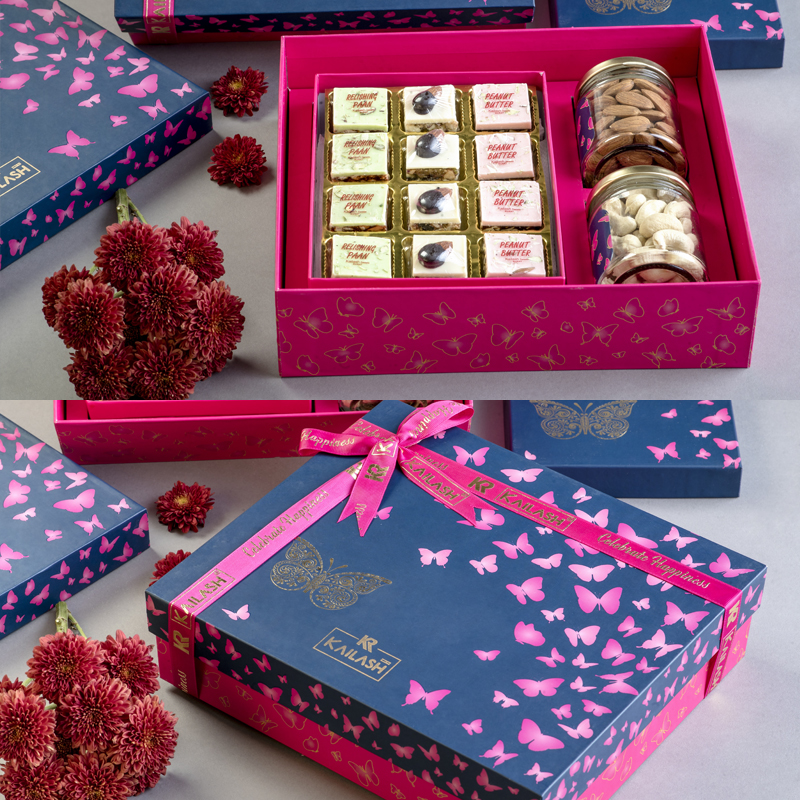
- Material costs – Bulk purchasing reduces per‑unit expense. Labor time – Track how many minutes each brand’s unique touches require. Brand premium – Some clients are willing to pay extra for bespoke elements (e.g., engraved glassware).
Rhetorical question: Are you charging enough to cover the hidden costs of extra design revisions and last‑minute shipping?
A simple profit‑margin calculator can help you set a price that respects both the client’s budget and your bottom line.
The Perfect Gift Awaits
Now that you’ve mastered the art of juggling multiple brand identities, the final step is to launch your hampers with confidence. Think of your rollout as a grand unveiling—each brand’s hamper should arrive like a well‑wrapped surprise, ready to delight the recipient.
- Create a launch calendar that staggers deliveries to avoid warehouse overload. Offer a “behind‑the‑scenes” story on social media—people love to see the craftsmanship that went into their gift. Gather post‑delivery feedback to refine future customizations.
By treating each hamper as a signature piece rather than a generic giveaway, you’ll build lasting brand partnerships and keep the cash registers ringing.
Ready to take the next step? Start mapping your first multi‑brand hamper project today, and watch how a structured, thoughtful approach turns a potential nightmare into a celebrated success.